Planning a new home can feel daunting. Here's a calmer way to start

Written By
Nick Rawson
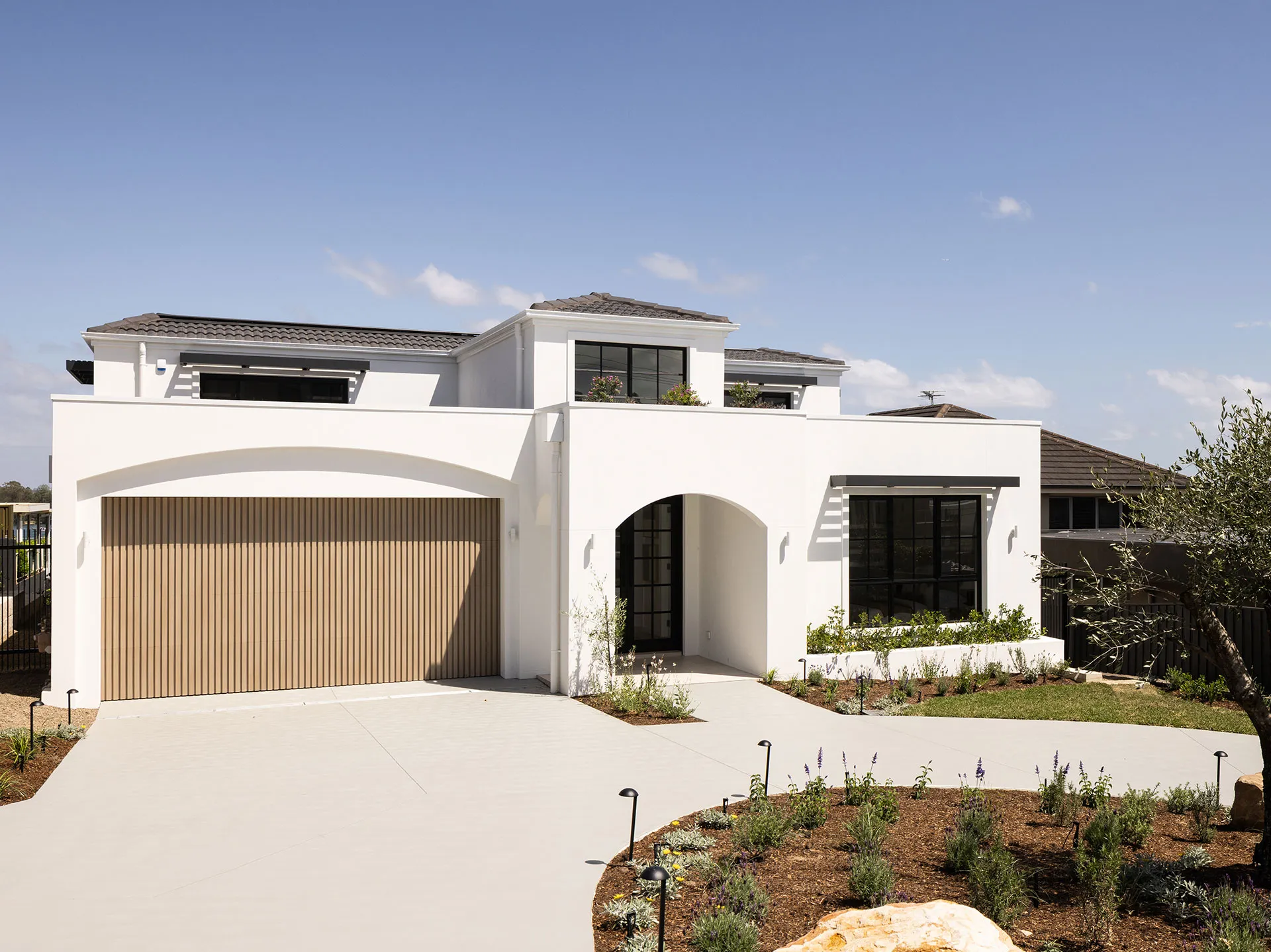
The holiday period is a welcome break from work but for many families, it also brings clarity. Extra people at home, longer days inside, more entertaining, more mess. Suddenly, the limitations of your current home feel harder to ignore: space to spread out, better indoor–outdoor flow, room for kids to play, or a layout that actually works when you’re hosting.
For many homeowners, these moments are what first put a knockdown rebuild on the radar - not as a ‘dream home’ idea, but as a practical response to how they live now.
You don’t need to have everything figured out to begin. The early stages are about exploration - understanding what’s possible on your block, what different design approaches cost, and which trade-offs matter most. Clarity comes from the process, not before it.
Custom design can lead to a home you genuinely love but it’s also where many projects stall. Industry-wide, countless homes make it through design but never reach site. Often, it’s not the design that fails, but the gap between what’s drawn and what can realistically be built within budget.
Planning early helps close that gap when design, pricing, and construction are handled together under one roof. With costs tested as the design develops, not after, decisions can be made with confidence that the home you’re designing is one you can actually build.
Because this alignment happens early, planning doesn’t require a commitment upfront. It works best as a series of practical conversations to test feasibility before moving forward. To help, we’ve outlined five steps to get started.
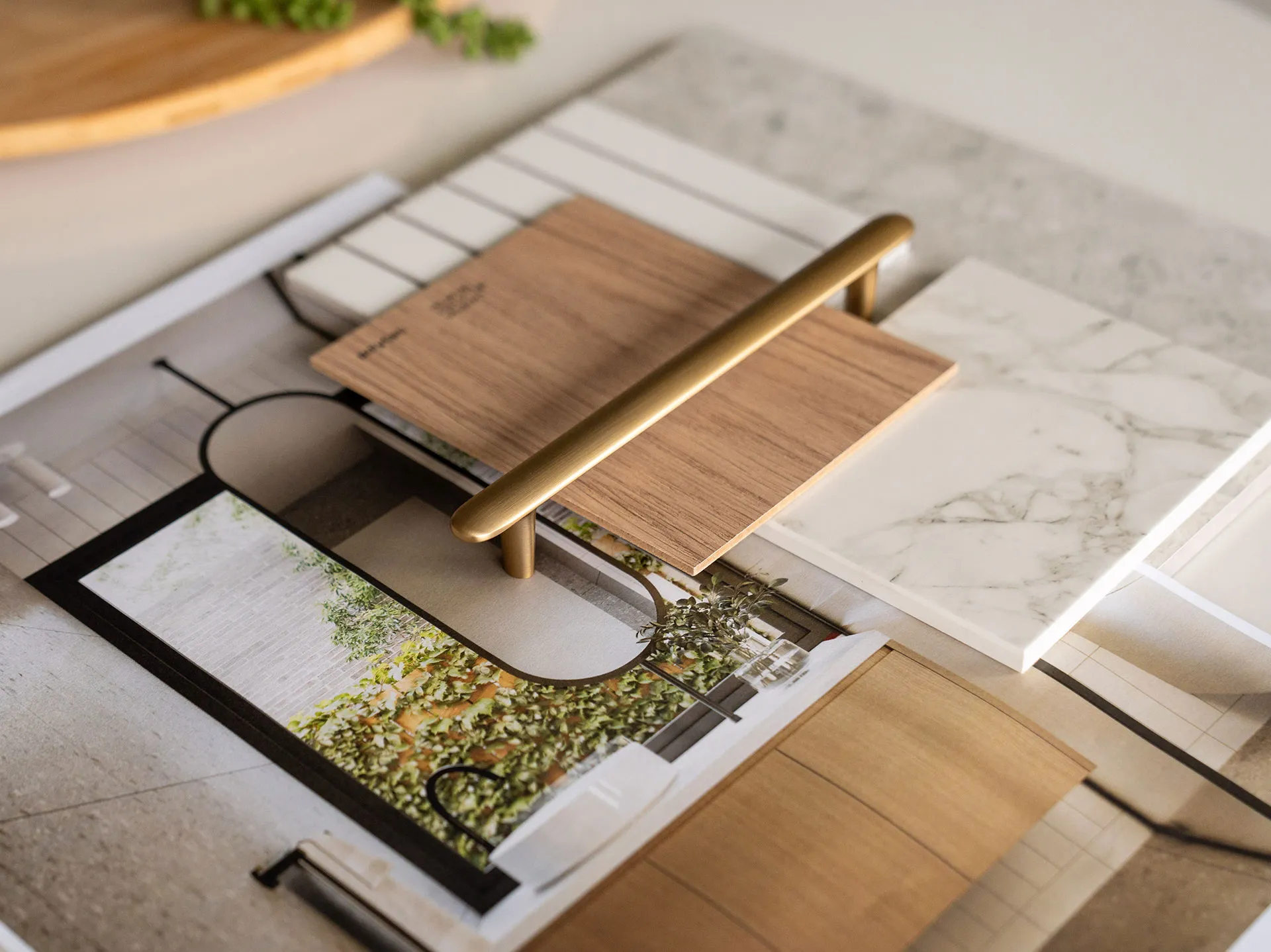
1. Define your design goals
- What isn’t working in your current home? What causes frustration with your day-to-day? It could be function, lifestyle, aesthetics; or could be all 3.
- Identify the spaces your home needs to support daily life, then rank them by priority. Essentials like bedrooms typically come first, with secondary features such as a butler’s pantry, lower down the list.
- Imagine 10 years into the future – will these spaces still be needed, or will they evolve?
- Download our Design Brief Guide and start putting your thoughts down on paper.
2. Know what's possible on your land
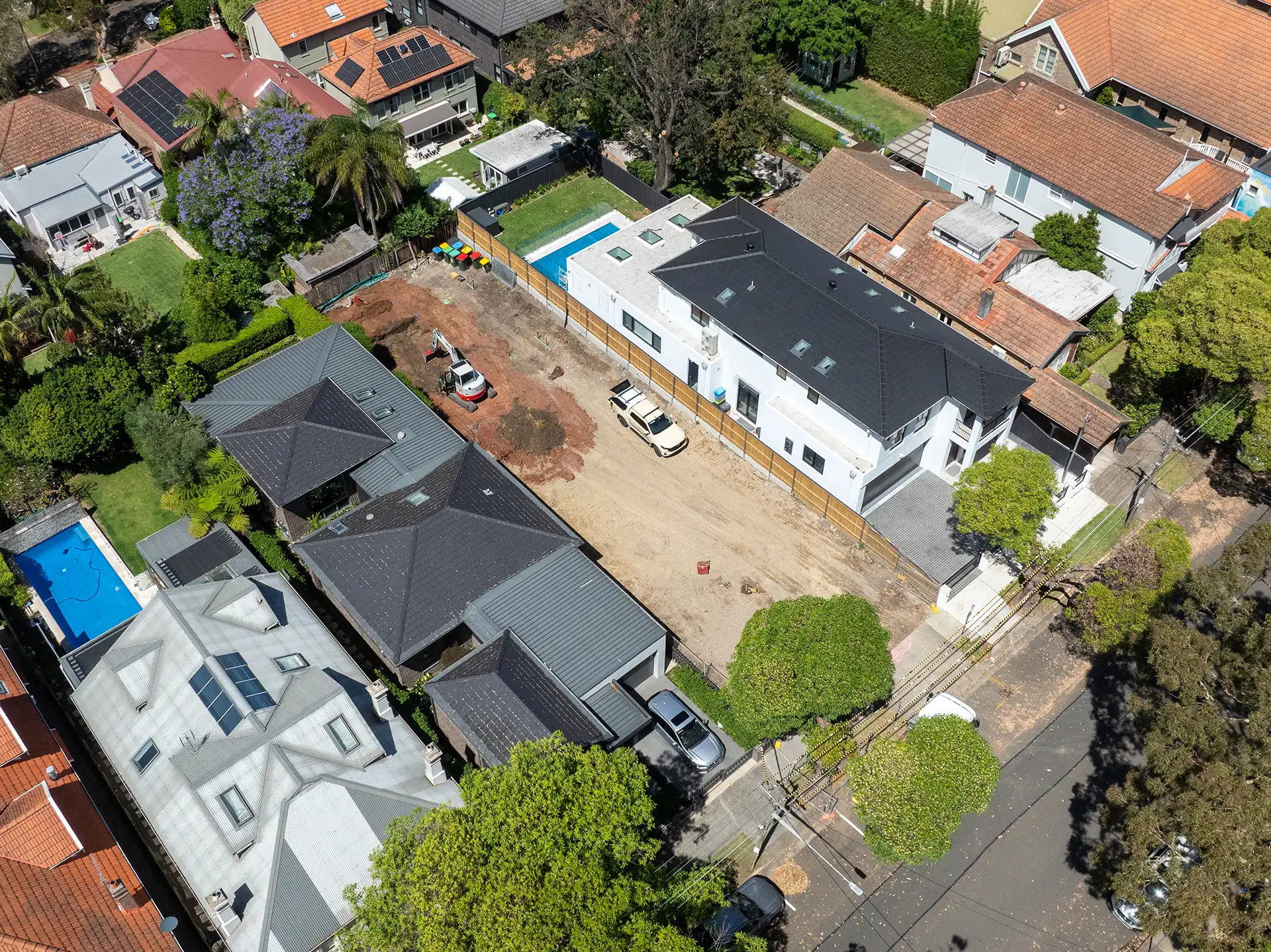
- Any trees that need to be removed? Aware of any sewer lines? Any easements? And from a planning perspective, how does council mapping (LEP maps) affect your block?
- We can help you with this; request a land feasibility check to uncover opportunities and limitations and we’ll provide a detailed video explaining our findings.
3. Secure finance pre-approval
- Understanding your budget early helps anchor design decisions and reduces the risk of surprises later, particularly if ideas start to outpace lending limits.
- Speak with your bank or lender early to confirm borrowing capacity, so design decisions are based on real numbers rather than assumptions.
4. Know the different paths to a custom home
- Decide whether a renovation or new build is the better fit. Each has distinct trade-offs, so taking time to understand both will help clarify the right path. We’ve outlined the key differences here. (insert reno blog?)
- Understand the design and construct options available: Volume Builders (off the plan designs), architect and custom builders (designing before engaging a builder), or design-and-construct (a builder with design integrated).
- Download our brochure for clear guidance on each path and to help you decide what’s best for you – click here
5. Get clear together
- Take time to understand the goals and dreams of all interested parties – partner, kids, grandparents – a unified dream eliminates a lot of the decision fatigue.
- Key things to discuss — aesthetic, style, room priorities, key features and non-negotiables for all
Looking ahead
Starting the conversation early isn’t about making big decisions, it’s about replacing uncertainty with understanding. Small, considered steps now help remove friction later and give you a clearer view of what’s possible, without locking you into anything.
- Move forward in manageable stages
- Stay aligned on priorities
- Use early planning to reduce risk, not add pressure
Whether you’re exploring budget, testing ideas for your block, or clarifying what matters most, each step builds confidence and makes the path ahead more predictable.
Next step: Visit our FAQs for clear answers to the most common questions homeowners ask when first considering a new design-led custom home.
Planning a custom home on the Northern Beaches or North Shore? Here is our guide to start your design-led building journey with clarity and confidence.
1
min read
February 13, 2026
Resources
Design Guides
insights
More News Articles




.svg)


